
How to choose a budget industrial router?

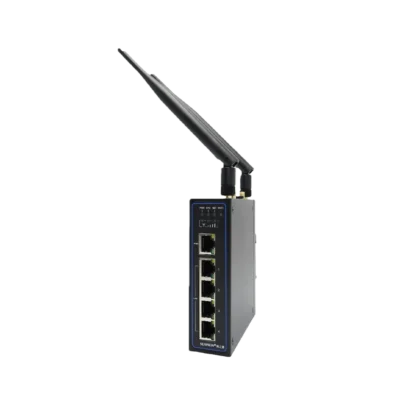
I have spent over a decade analyzing industrial networking trends and hardware performance. How to choose a budget industrial router? is a question that requires a focus on functional necessity rather than brand premium. You must prioritize high-reliability components and essential connectivity features while stripping away redundant enterprise-level software. A budget-friendly choice should still offer 24/7 stability in harsh environments.
Selecting a cost-effective device starts with defining your specific deployment environment. If your project involves remote monitoring, a low cost industrial M2M 4G gateway is often sufficient. These devices provide the core cellular connectivity needed for machine-to-machine communication without the high cost of high-bandwidth enterprise routers. You should look for a metal housing and wide temperature support to ensure longevity.
In my experience, the best value lies in devices that balance port density with processing power. For many industrial internet of things (IIoT) 4G gateway applications, having multiple LAN ports is critical for connecting various local sensors or PLCs. This eliminates the need for an external switch, further reducing your total system cost. I will outline the specific technical criteria you must evaluate below.
Essential Hardware Criteria for Low-Cost Industrial Connectivity
When asking how to choose a budget industrial router?, the hardware shell is your first line of defense. Industrial environments are often dusty, humid, and prone to extreme temperatures. Most standard home routers fail within weeks in these conditions. An industrial-grade device must feature a robust metal casing for better heat dissipation and physical protection.
Temperature and Environmental Durability
A true industrial router should operate reliably between -20°C and 70°C. Standard commercial electronics typically fail when temperatures exceed 40°C. Data shows that for every 10°C increase in operating temperature, the lifespan of internal capacitors is halved. Choosing a device with a wide operating temperature range ensures your investment lasts for years.
Power Input and Protection
Industrial power supplies are rarely as stable as those in an office building. You should look for a router that supports a wide voltage input, such as 6V to 35V DC. This flexibility allows you to power the device from solar panels, vehicle batteries, or industrial power rails. Built-in protection against over-voltage and reverse polarity is also a non-negotiable requirement for budget hardware.
Why a Low Cost Industrial M2M 4G Gateway is the Optimal Choice
Many users overspend on high-tier routers when a low cost industrial M2M 4G gateway would solve their problem perfectly. M2M (Machine-to-Machine) communication usually involves small data packets sent at regular intervals. You do not need Gigabit speeds for a remote water meter or a vending machine. Focusing on 4G LTE Cat 1 or Cat 4 provides enough speed while significantly lowering the hardware price.
Stability and Watchdog Mechanisms
Stability is more important than speed in remote industrial sites. A reliable budget router must feature a hardware watchdog. This is a dedicated timer that automatically restarts the system if the software crashes. Without this, a simple software glitch could require a costly five-hour drive to a remote site for a manual reset.
Signal Sensitivity and External Antennas
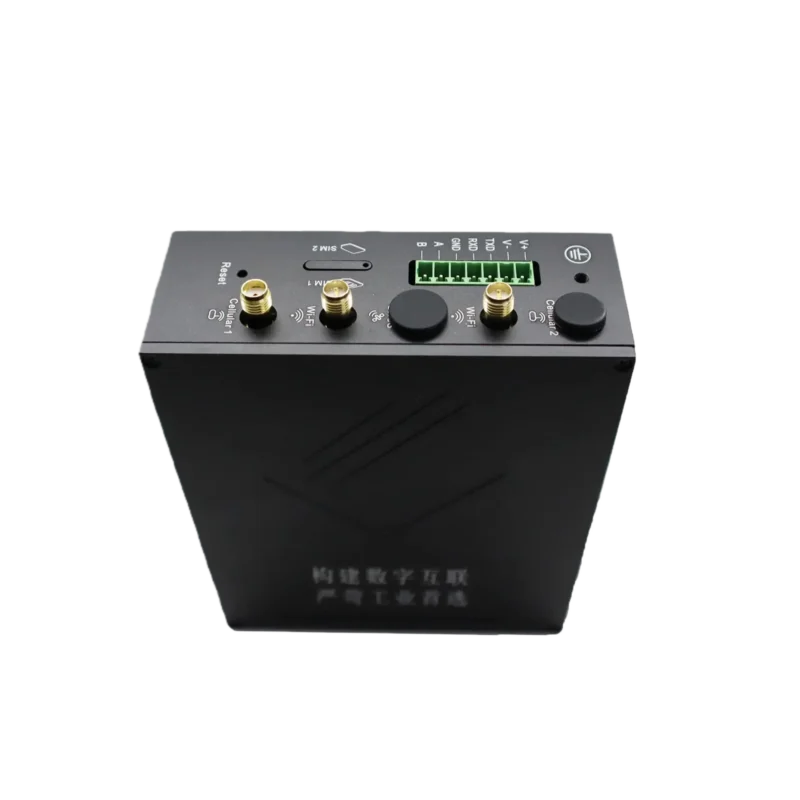
Cheap consumer routers often have weak internal antennas that struggle inside metal control cabinets. A dedicated industrial internet of things (IIoT) 4G gateway must support external SMA antennas. This allows you to mount the antenna outside the metal box for optimal signal reception. Better signal quality leads to lower power consumption and fewer data retransmissions.
Sourcing Wholesale Multi-Port Industrial Routers from China
The global supply chain has made it easier to find wholesale multi-port industrial routers from China. These manufacturers often provide the most competitive pricing due to their proximity to component suppliers. However, you must be diligent when selecting a supplier to ensure the hardware meets international standards. Look for certifications like CE, FCC, and RoHS before placing a bulk order.
Evaluating Port Configurations
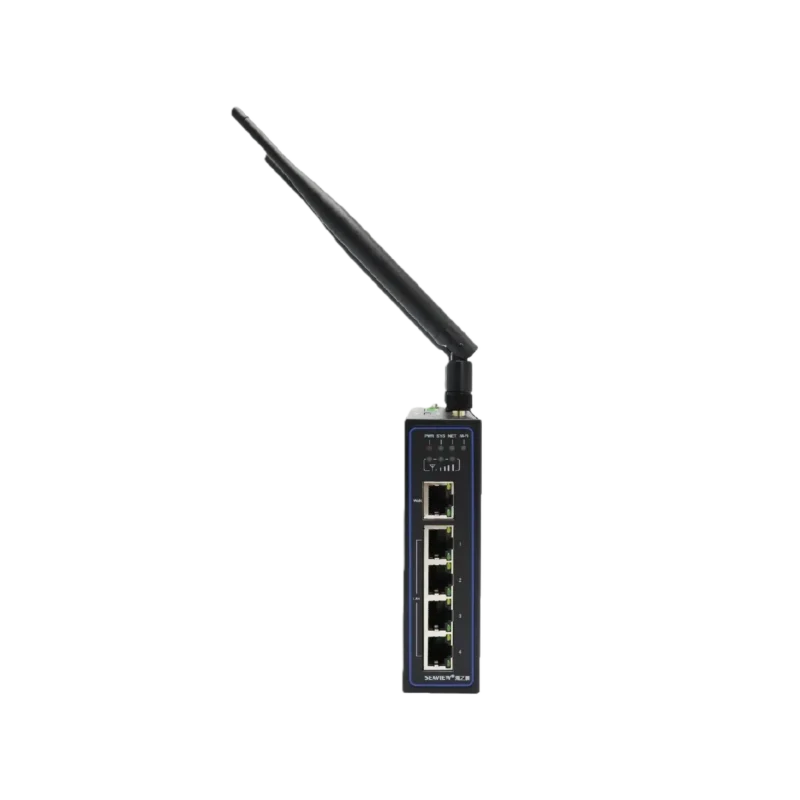
When looking at wholesale multi-port industrial routers from China, consider your future scalability. A router with one WAN and three LAN ports offers more flexibility than a single-port device. This configuration allows you to connect a PLC, an HMI, and an IP camera simultaneously. Consolidating these connections into one gateway reduces your monthly cellular data plan costs.
Firmware and Customization Options
Many Chinese manufacturers offer customized industrial wireless routing solutions. This might include pre-configured VPN settings or a custom-branded web interface. If you are deploying hundreds of units, having the manufacturer pre-load your settings can save your engineering team hundreds of hours. Always ask about the availability of SDKs or OpenWrt support for deeper customization.
Key Considerations for Industrial Internet of Things (IIoT) 4G Gateway Deployments
An industrial internet of things (IIoT) 4G gateway acts as the bridge between your local sensors and the cloud. For budget deployments, you must ensure the gateway supports essential industrial protocols. This often includes Modbus RTU/TCP conversion, which allows older equipment to talk to modern cloud platforms. Without this protocol support, your router is just a transparent pipe.
Data Security on a Budget
Security should not be sacrificed for a lower price point. Even budget routers should support standard VPN protocols like OpenVPN or IPsec. These tools create an encrypted tunnel for your data, protecting it from interception on public cellular networks. In modern IIoT, unencrypted data is a major liability that can lead to system-wide failures.
Remote Management and Monitoring
When managing a fleet of routers, you cannot visit every site for updates. A good budget solution should include access to a cloud management platform. This allows you to check signal strength, update firmware, and change passwords across all devices from your desk. Many manufacturers offer this software for free with the purchase of their hardware.
How to Judge if the Economical Router Fits Your Project
Determining if a budget router is suitable for your project requires a balance of current needs and future risks. You must decide if the lack of high-speed WiFi or 5G connectivity will hinder your operations in the next three years. For most industrial telemetry and remote access tasks, 4G LTE remains the most reliable and cost-effective standard globally.
If you are looking for a compact solution, the 4G Economical Multi-port Industrial Router provides a strong balance of features. This device is designed for space-constrained control boxes while offering multiple Ethernet ports. It features a hardened metal shell and supports DIN-rail mounting, which is the standard for industrial electrical panels.
The decision to go “budget” should be based on technical evidence. Check if the router has passed vibration and shock tests if it will be mounted on moving machinery. If the device supports a wide temperature range of -20°C to 70°C, it is likely built with industrial-grade components. This ensures that the low initial cost does not turn into a high maintenance burden over the next five years.
Summary
In conclusion, how to choose a budget industrial router? requires focusing on core stability and environmental protection. Prioritize a low cost industrial M2M 4G gateway with a metal shell, hardware watchdog, and wide temperature support. By sourcing wholesale multi-port industrial routers from China, you can find high-performance hardware that fits within a tight IIoT project budget without sacrificing essential data security.
FAQ
1. What is the most important feature when I choose a budget industrial router?
The hardware watchdog is the most critical feature. It ensures that the router can recover from software errors without human intervention. In remote sites, this single feature can save thousands of dollars in maintenance travel costs and prevents long periods of data loss.
2. Is 4G enough for an industrial internet of things (IIoT) 4G gateway?
Yes, 4G LTE is more than enough for 95% of IIoT applications. Most industrial sensors and controllers only send small amounts of text-based data. Unless you are streaming multiple high-definition video feeds, 4G provides the best balance of coverage, speed, and hardware cost.
3. Can I get customized industrial wireless routing solutions for small orders?
It depends on the manufacturer, but many suppliers in China offer customization for orders as small as 50 or 100 units. This often includes custom firmware or logo printing. For larger projects, deeper hardware customizations like specific port configurations or specialized radio modules are also possible.
4. Why should I buy wholesale multi-port industrial routers from China instead of local brands?
Wholesale routers from China often use the same internal chipsets as premium brands but at a much lower cost due to localized supply chains. You are essentially paying for the hardware and performance rather than the brand’s marketing budget. As long as you verify certifications and test a sample first, the value is significantly higher.
5. Does a budget industrial router support Modbus?
Many modern economical industrial routers include Modbus gateway functionality. This allows them to convert Modbus RTU data from serial sensors into Modbus TCP for cloud processing. You should always check the product specification sheet to ensure “Modbus Gateway” or “Protocol Conversion” is explicitly listed.
Reference Sources
IEC (International Electrotechnical Commission) – Environmental Testing for Industrial Electronics
GSMA (Global System for Mobile Communications Association) – M2M and IIoT Connectivity Standards