
what can you do with a gateway for iot ?

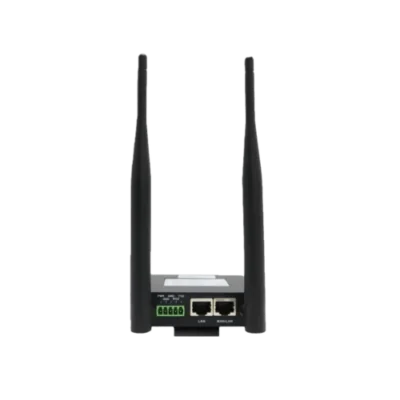
In my fifteen years of architecting digital ecosystems, I have seen many developers struggle once they move beyond simple sensors. You might have excellent hardware, but without a central hub, your data remains isolated. This leads to the fundamental question: what can you do with a gateway for iot systems? A gateway acts as the bridge between the physical world of hardware and the digital world of the cloud. It is the critical infrastructure that allows diverse machines to speak the same language. This guide provides professional insights into the practical applications of this technology in modern environments.
Bridging Diverse Communication Protocols and Languages
The most common problem in industrial automation is the lack of a universal language. Your sensors might use Zigbee or LoRa, while your server only understands HTTP or MQTT. A gateway solves this by performing real-time protocol translation.
Translating Legacy Data for Modern Cloud Services
Many factories rely on older machines that utilize Modbus or Serial protocols. An IoT gateway captures these legacy signals and converts them into web-friendly formats. By translating diverse protocols into a unified stream, you ensure total visibility across your entire production line. This capability allows you to integrate forty-year-old machinery into a modern digital dashboard.
Managing Connectivity in Remote Environments
In many scenarios, you cannot rely on a single wired connection. You can use a gateway to manage multiple backhaul options simultaneously. Utilizing a gateway allows you to failover between Wi-Fi, Ethernet, and 4G cellular networks to maintain constant uptime. This redundancy is vital for critical infrastructure where a few seconds of downtime can cause significant financial loss.
Implementing Edge Computing and Local Data Processing
One of the most powerful answers to what can you do with a gateway for iot is edge computing. Instead of sending every raw data point to the cloud, the gateway processes information locally. This approach reduces bandwidth costs and improves the speed of your automated responses.
Filtering Noise and Reducing Data Volume
Sensors often generate massive amounts of “noise” or repetitive data that does not require analysis. You can program the gateway to filter this out and only upload significant changes. Local data filtering through a gateway can reduce cloud storage and transmission costs by over 70% in high-density networks. This ensures your cloud servers only deal with high-value insights.
Enabling Real-Time Decision Making at the Edge
Latency is the enemy of safety in industrial settings. If a sensor detects a gas leak, waiting for a cloud server to respond is too slow. An IoT gateway can trigger an immediate emergency shutdown locally without needing an active internet connection. This local autonomy is the primary reason why gateways are considered the “brain” of the edge.
Securing Industrial Networks from External Cyber Threats
Security is often the top concern for my clients. Because many IoT sensors lack the processing power for heavy encryption, they are vulnerable to attacks. A gateway acts as a security proxy, shielding these devices from the public internet.
Implementing Firewalls and Hardware-Level Encryption
Standard sensors often transmit data in plain text, which is a major risk. You can use a gateway to wrap this insecure data in encrypted tunnels like TLS or VPNs. Establishing a gateway as a centralized security node prevents unauthorized access to vulnerable edge devices. This creates a “dmz” or protected zone for your internal machinery.
Managing Device Identity and Authentication
As your network scales, knowing which device is talking becomes difficult. You can use the gateway to manage digital certificates and verify the identity of every sensor. Strict device authentication at the gateway level ensures that only verified hardware can contribute data to your ecosystem. This aligns with NIST standards for protecting critical infrastructure.
Selecting High-Performance Hardware for Your Infrastructure
Knowing what can you do with a gateway for iot helps you realize that not all hardware is equal. You must judge the suitability of a device based on its environmental rating and processing power. A gateway in a climate-controlled office has very different needs than one in a dusty mining site.
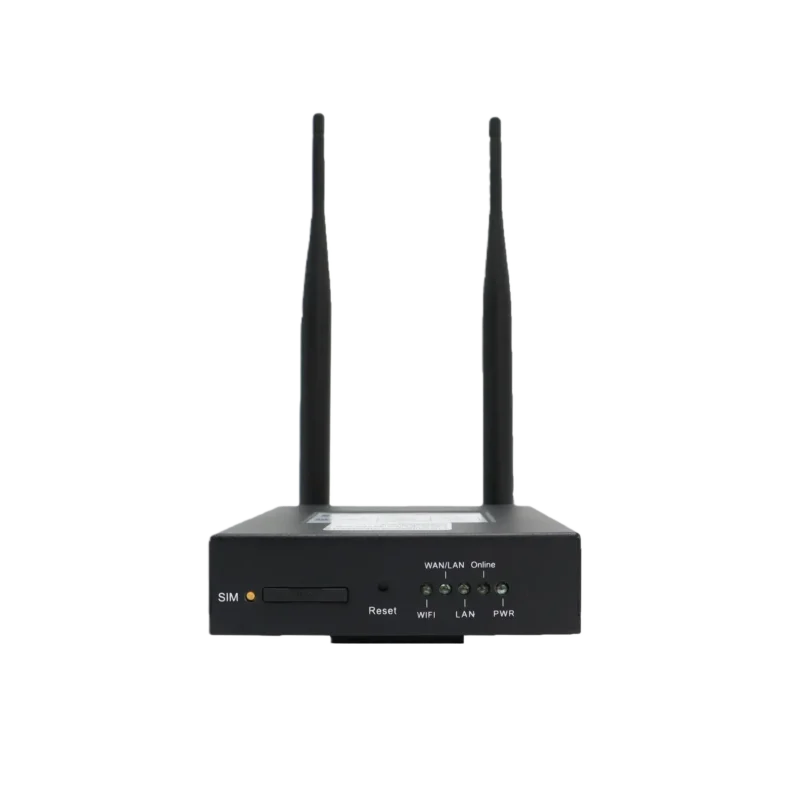
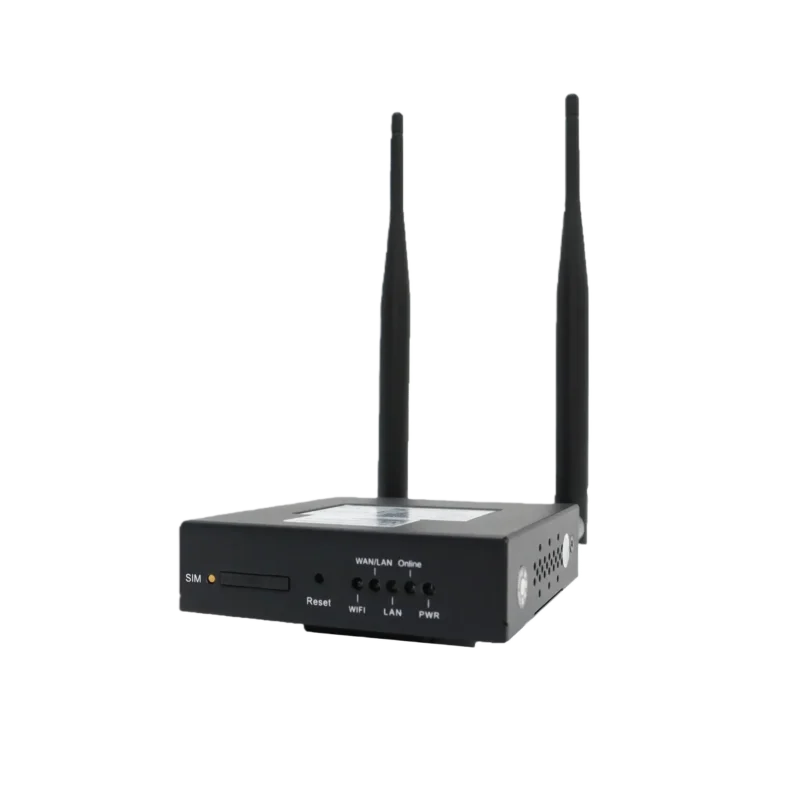
If you are managing high-bandwidth data or require extreme reliability, choosing industrial-grade gear is the only viable path. For instance, the 4G high-performance industrial-grade router represents the standard for robust connectivity. It combines high-speed 4G backhaul with the durability needed for 24/7 industrial use. Investing in a router with high-temperature resistance and isolated ports ensures your IoT network remains stable in harsh environments.
When evaluating your next gateway, look for units that support multiple VPN protocols and offer a ruggedized metal enclosure. These features are not just “extras”; they are the judging criteria for long-term operational success. A well-chosen industrial gateway acts as a resilient anchor that grows with your digital transformation strategy.
Conclusion
The primary conclusion is that an IoT gateway enables protocol translation, edge computing, and centralized security for complex sensor networks. To maximize your ROI, you must prioritize gateways that offer high-speed 4G connectivity and industrial-grade durability to ensure data integrity. By understanding what can you do with a gateway for iot, you can build a more efficient, secure, and scalable digital foundation for your organization.
FAQ
1. Is an IoT gateway different from a standard home router?
Yes, a gateway is designed for protocol translation and local data processing. Standard routers only move IP-based traffic, while gateways can handle Modbus, Zigbee, and other industrial languages. A professional IoT gateway provides the intelligence needed to manage non-IP devices at the edge.
2. Can I use a gateway to save on cloud subscription costs?
Absolutely. By using edge computing to process and filter data locally, you send less data to the cloud. Reducing the volume of transmitted data is the most effective way to lower your ongoing cloud storage fees.
3. How does a gateway improve the safety of a factory?
It allows for local, high-speed alerts and automated shutdowns. Because it does not rely on a distant server, it can react to sensor triggers in milliseconds. Utilizing a gateway for local safety logic provides a fail-safe environment even if your internet connection fails.
4. What is “protocol translation” in a gateway?
It is the process of taking data from one communication standard (like RS485) and turning it into another (like MQTT). This allows different types of hardware to work together in one system. Protocol translation is the foundation of interoperability in modern industrial IoT networks.
5. Why is 4G backhaul important for a gateway?
Many industrial sites lack stable wired internet or Wi-Fi. A 4G connection ensures the gateway can always send critical data to the management team. Selecting a gateway with integrated 4G connectivity provides the mobility and reliability needed for remote site monitoring.
Reference Sources
NIST – NIST SP 800-213 Series on IoT Device Cybersecurity
IEEE – IEEE 2413 Standard for an Architectural Framework for IoT